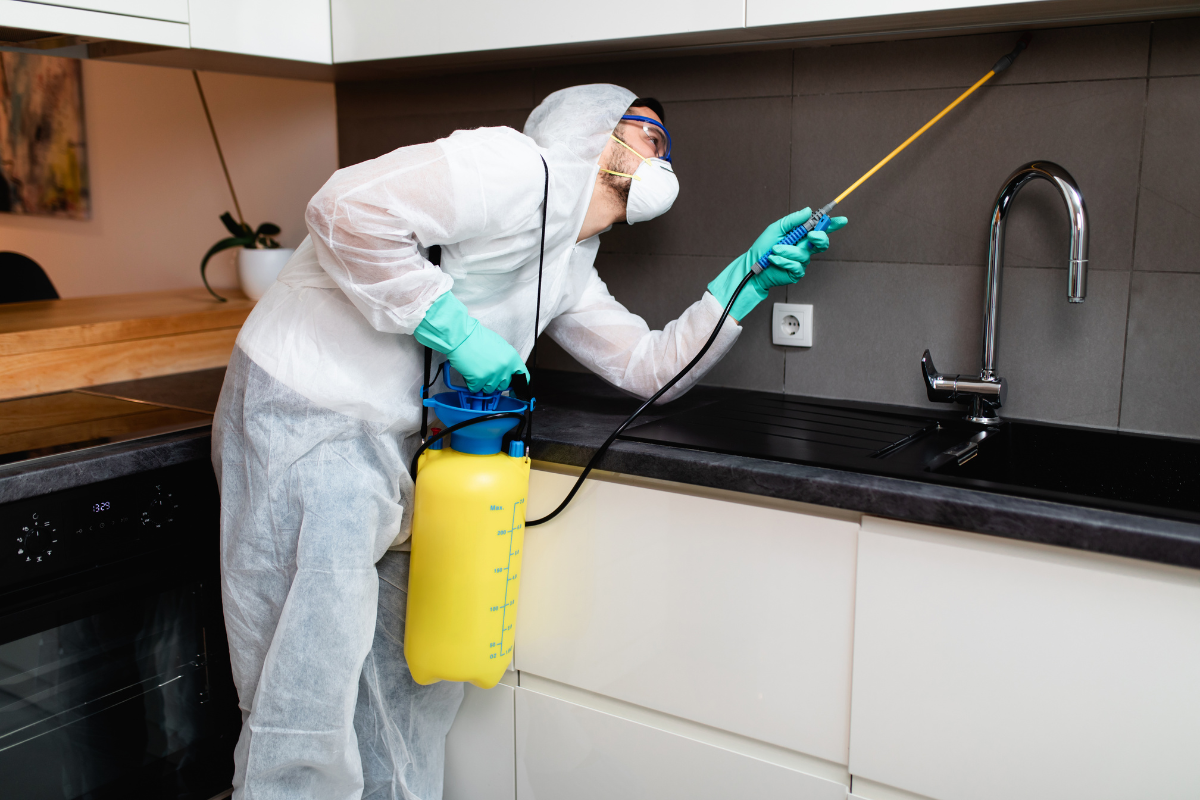

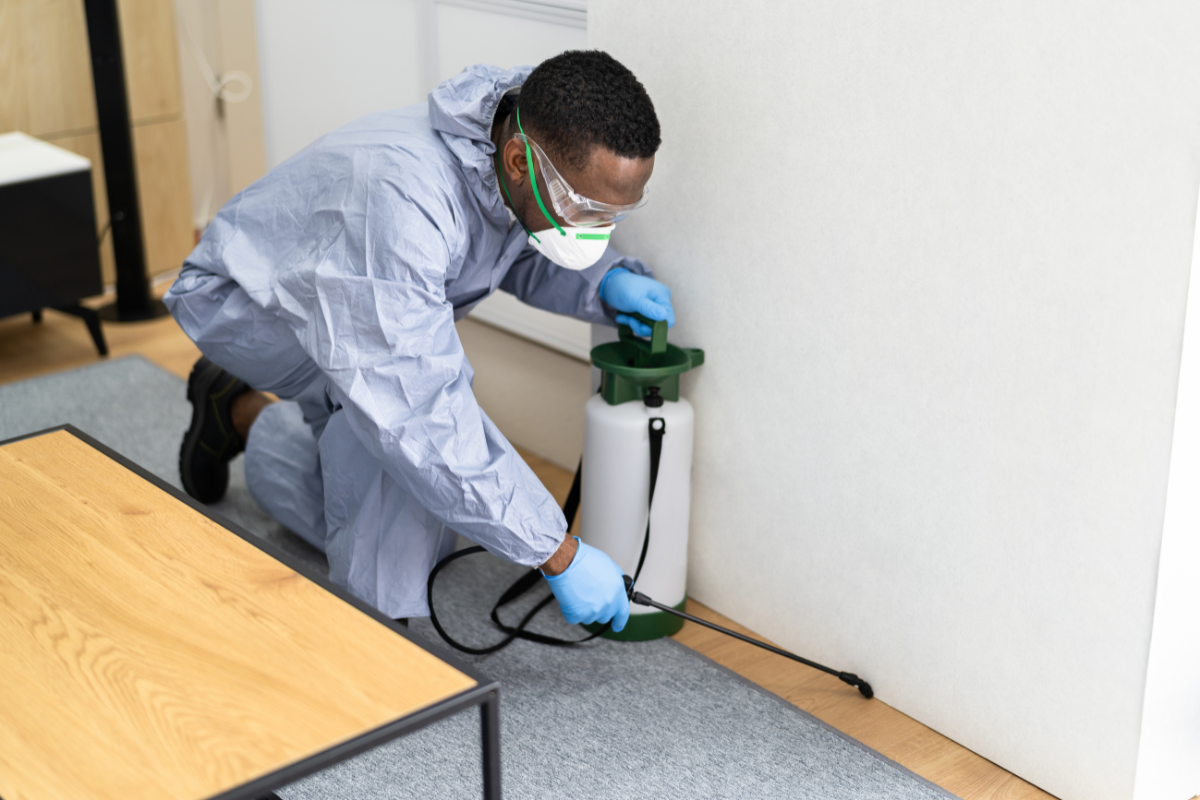
If you’ve ever opened a pantry to find ants scouring the sugar bowl, or heard the unmistakable skitter of mice in a wall void at 2 a.m., you already know timing matters. Pest control isn’t just a single visit from an exterminator when something’s crawling across the floor. It’s a rhythm, shaped by your home’s construction, your habits, your climate, and the biology of the pests themselves. The question of how often to schedule a pest control service looks simple on its face, yet the right answer depends on several moving parts.
I’ve managed programs for homes, restaurants, and warehouses across different regions, and I can tell you that effective scheduling does two things well: it matches the reproductive cycles of local pests, and it aligns with the way people actually live in the space. A townhome near a wooded creek needs a different cadence than a high-rise condo. A bakery with warm floors and spilled sugar has a different risk than a dry-goods warehouse with dock doors that never quite seal. The trick is to find the interval that prevents problems without overspending or over-treating.
The baseline: what most homes need
Most single-family homes that are not currently infested do well with a quarterly plan. Every 3 months is long enough to avoid unnecessary treatments, and short enough to interrupt the life cycles of common invaders like ants, roaches, spiders, paper wasps, silverfish, and occasional beetles. A reputable pest control company will typically perform an exterior barrier application, brush down eaves, inspect and refresh bait stations, and only treat interiors where activity or conducive conditions are present. That core preventive service keeps pressure low and stops small incursions before they turn into nests or colonies.
Why three months? Many residential formulations applied outdoors weather and UV-degrade within 60 to 90 days, especially under sun and rain. Pests also surge seasonally, and a quarterly cycle catches the handoff from one wave to the next. Think early spring trails of odorous house ants, then summer yellowjackets scouting soffit vents, then fall boxelder bugs looking for a warm wall cavity. A quarterly rhythm meets these changes at the shoulder seasons, which is where prevention earns its keep.
Factors that stretch or compress the interval
Quarterly is a starting point, not a one-size answer. Five factors push the schedule in either direction.
Climate. Humid subtropical regions and warm coastal cities often require more frequent service, especially from April through October. Heavy rain can shorten the residual life of exterior treatments, and warmth lengthens breeding seasons. In Florida, the Gulf Coast, or South Texas, a bi-monthly plan during peak months is common for homeowners who want steady control.
Construction and age. Older homes with pier-and-beam foundations, crawl spaces, and original windows are naturally leakier. Gaps around utilities and settling in the frame create pathways for rodents and insects. Newer, tighter construction with proper door sweeps and sealed penetrations can stretch to quarterly or even three times a year, as long as monitoring shows low activity.
Neighbor and environmental pressure. If you live beside a restaurant dumpster, share walls in a multi-family building, or back up to a greenbelt, you’re inheriting pest pressure you didn’t create. I’ve seen immaculate condos take on German cockroaches from a neighboring unit that was undergoing a move-out. In those scenarios, monthly service for a few months isn’t overkill, it’s strategic.
Household habits. A clean kitchen, good storage, and consistent trash management extend the effectiveness of any treatment. Pet food left out overnight, bird feeders against the siding, or firewood stacked against the wall undo a lot of good work. I once worked with a family who fed two outdoor cats on the back step; raccoons, roof rats, and a steady stream of ants showed up within weeks. After they switched to timed feeding and brought bowls indoors, we safely dropped their service frequency.
Tolerance for pests. Some people don’t want to see a single spider. Others are fine with the occasional beetle. It’s your home, and your comfort matters. If the sight of any insect is unacceptable, more frequent visits during high-activity seasons may be worth it to you.
When monthly service makes sense
Monthly service isn’t just for commercial kitchens. It’s indicated when there is an active infestation or a pest with a fast reproductive cycle. German cockroaches, Pharaoh ants, and bed bugs require tight follow-up because eggs, nymphs, and secondary colonies emerge asynchronously. The first visit puts a dent in the population, but it’s the second and third visits that prevent the rebound.
I worked with a bakery where we ran monthly service for six months, then tapered to every other month. The bakery had warm floors from ovens, drains that sometimes held water, and ingredients that made scout ants salivate. The monthly cadence let us rotate bait matrices, manage drain flies, and stay ahead of seasonal wasps. Once conditions improved and sealing projects were completed, we extended the interval without losing control.
Structural rodent issues also benefit from monthly attention at the start. When roof rats or mice are actively using a structure, the first 30 to 60 days are a sprint: sealing, trapping, monitoring, and bait station service should be tight. After population knockdown and proofing are complete, the schedule can relax to quarterly exterior checks, unless neighboring pressure is intense.
Seasonal strategy for single-family homes
If you prefer a plan that matches the calendar, this seasonal pattern works for many https://mylesddoz298.tearosediner.net/seasonal-guide-winter-pest-control-tactics regions with four distinct seasons:
- Early spring: inspection, exterior perimeter treatment, ant bait placements, and attic/soffit check for overwintering wasps. Early summer: refresh exterior barriers, inspect irrigation overspray and mulched beds, manage stinging insects and spider webs. Early fall: exclusion work, door sweep checks, rodent-proofing of utility penetrations, and treatment focused on insects seeking overwintering sites. Mid-winter: interior inspection, attic and crawl space monitoring for rodents, moisture checks, and targeted treatment only where activity is present.
This is one of the two lists in this article.
That rhythm handles the natural waves of ants, stingers, and invaders that follow weather patterns. In coastal or southern climates, tack on mid-summer service to catch high heat and storm cycles, or alternate to bi-monthly from April through October.
Multi-family, rentals, and shared walls
Apartments and townhomes complicate scheduling because pests don’t respect unit boundaries. A single unit on quarterly service may not hold the line if adjacent units go unmaintained. The best results happen when the property manager partners with a single pest control contractor for a coordinated program. Common areas, trash enclosures, mechanical rooms, and laundry facilities should be inspected monthly, with individual units on a mix of monthly, bi-monthly, or quarterly frequency depending on findings.
If you’re a tenant and managing your own service, communicate early with management and neighbors when activity is detected. German cockroaches travel easily along plumbing lines. Bed bugs hitchhike on furniture. An exterminator company that specializes in multi-family will know how to coordinate notices, schedule follow-up, and handle treatments that minimize disruption while catching the problem across the structural pathways, not just in your unit.
Commercial spaces: kitchens, warehouses, and offices
Food service demands a tight schedule. Full-service restaurants usually run monthly interior treatments with exterior checks, plus targeted visits after sanitation audits or renovations. High-volume kitchens with late hours may require bi-monthly service during the summer. The key is integration: sanitation, exclusion, monitoring, and treatment work together. An exterminator service that only sprays without addressing floor drains, harborage under equipment, or gaps at rear doors is selling you a short-term fix.
Warehouses vary. Dry facilities with limited food products can often run quarterly, with added attention at docks and break rooms. If the warehouse handles ingredients, pet food, or has refrigerated zones with condensation issues, expect monthly or bi-monthly during warmer months. Offices typically do well with quarterly service focused on exterior barriers, break rooms, plants, and entryways.
For retail and healthcare, compliance and perception matter. A single roach sighting in a clinic waiting room is one too many. I’ve run monthly inspections with light-touch treatments for clinics, focusing on monitoring and exclusions rather than routine broad applications.
Special cases that change the schedule
Termites. Subterranean termite protection is not about monthly sprays. It’s about setting up a long-term defense with a soil-applied termiticide or a baiting system. Liquid barriers are inspected annually with supplemental checks after landscaping or construction. Bait systems typically need quarterly inspections to monitor station hits and replenish bait. If you’re in a high-pressure area with history in the neighborhood, do not skimp on the annual termite inspection even if your general pest service is quarterly.
Mosquitoes. Yard mosquito programs typically follow a 21 to 30 day cycle during mosquito season, which is driven by temperature and rainfall. That shorter interval reflects the mosquito life cycle, not a lack of efficacy. If you have standing water or shade that remains damp, plan on that cadence to keep pressure down.
Bed bugs. Active bed bug cases require a series: an initial service, a follow-up at 10 to 14 days, and often a third visit. Heat treatments may compress this schedule but still warrant re-inspection. Once resolved, you don’t need ongoing monthly bed bug service unless there’s a high-risk exposure, such as shelters, group homes, or frequent used furniture turnover.
Wildlife. Raccoons, squirrels, and bats are less about routine sprays and more about prompt response, exclusion, and a single follow-up. After that, inspections every 6 to 12 months to evaluate screens, chimney caps, and soffits are enough.
Matching product residuals to visit frequency
A quiet detail that drives scheduling is how long products last in real-world conditions. Exterior residuals on masonry might hold for 60 to 90 days under moderate weather, but on sunny south-facing stucco, 30 to 45 days is more realistic. Granular ant baits can remain attractive for weeks if kept dry, but once saturated by sprinklers they lose palatability quickly. Gel baits inside wall voids stay effective longer if the environment is cool and dry, while those in warm kitchens need refreshing more often.
A good pest control service blends formulations to stretch coverage. Microencapsulated products adhere to porous surfaces and resist UV; non-repellents help ants transfer active ingredients through the colony; insect growth regulators work in the background to interrupt development over several weeks. Knowing this, a pest control contractor may recommend monthly in peak season for coastal homes, then pull back to quarterly when temperatures drop.
What you can do between visits to extend the interval
Every service visit is more effective when the environment is less inviting. A few low-effort habits buy you weeks of protection and allow longer spacing between treatments.
- Seal the big three gaps: garage door sweep, exterior door weatherstripping, and utility penetrations for AC lines and hose bibs. These are the highways. Manage moisture: repair irrigation overspray hitting the foundation, keep mulch pulled back a few inches from siding, and clear gutters so water doesn’t wick into fascia. Trim vegetation: keep shrubs from touching the house and tree limbs from bridging to the roof. Store food smart: snap-lid bins for pet food and bulk dry goods; wipe counters at night; run the dishwasher rather than leaving it open with scraps. Rotate outdoor lighting: bright white bulbs draw insects; warm color temperature or motion-activated lights reduce attraction at doors.
This is the second and final list in this article.
These are not cosmetic tips. I’ve watched ant pressure drop by half in a single season after a homeowner adjusted sprinkler heads and pulled mulch back. On the flip side, I’ve seen recurring spider explosions traced to porch lights and ivy hugging the siding.
How to tell your schedule isn’t right
Pest control should produce a pattern: occasional sightings that quickly taper after service, with long stretches of calm. If you’re seeing new activity in the second month of a quarterly plan, repeatedly, that’s a signal to reassess frequency, product choice, or entry points. Persistent trails of odorous house ants after rain suggest the exterior barrier is washing off faster than expected. Spiders re-webbing eaves within days might point to nearby harborage or lights drawing prey.
Communication with your exterminator matters here. Share dates of sightings, weather events, and any changes to the property. A good exterminator company will adjust. For one coastal client, we moved from quarterly to every other month from May to September, then back to quarterly for the rest of the year. The net cost increase was modest compared to the drop in callbacks and frustration.
The role of inspections and monitoring
Service frequency gets all the attention, but inspections and monitors are what make timing intelligent rather than arbitrary. Sticky traps under sinks, in pantry corners, and along garage walls tell a quiet story over time. Rodent bait stations with counters or remote sensors give objective activity data. Visual inspections around eaves, attic accesses, crawl spaces, and foundation lines pick up early signs that don’t show up in living spaces yet.
Ask your pest control company what monitoring they use and how it informs scheduling. If a technician is simply spraying and leaving without documenting conditions, you’re paying for a routine, not a program. A professional outfit will set benchmarks, explain what they’re seeing, and recommend stretching or tightening the interval based on data.
Safety, product stewardship, and why less can be more
Homeowners sometimes assume more frequent sprays equal better protection. Not necessarily. The goal is to create and maintain an unfavorable environment for pests with the least product necessary. That starts with the exterior, where most pests originate, and uses interior treatments only where there is evidence of activity or conducive conditions.
When you and your contractor get the non-chemical steps right, you can often reduce interior applications and extend the service interval without losing results. That’s better for everyone in the home, including pets, and it aligns with modern integrated pest management practices. It also protects the efficacy of key products by avoiding overuse that can drive resistance, particularly with cockroaches and ants.
Budgeting and value over time
On paper, a quarterly plan may look more expensive per visit than a sporadic call when you see something. Over a year, though, it usually costs less. Emergency calls often come after an infestation has established, which means two or three visits in rapid succession, more intensive treatments, and more disruption. Preventive service spreads cost across the year, lowers the odds of interior spraying, and cuts down on damage, such as rodent-chewed wires or carpenter ant excavation.
If you’re comparing quotes, ask what’s included: exterior-only vs full interior and exterior, number of follow-ups for covered pests, and whether the company offers seasonal flexibility. A transparent pest control contractor will outline scope clearly and won’t lock you into a frequency that doesn’t fit your situation.
How to choose a schedule with your provider
Start with an assessment. Walk the property with the technician. Point out problem areas: the bathroom where silverfish show up, the corner of the garage with the mouse droppings, the soffit where mud daubers keep building. Ask for a risk-based plan rather than a generic package.
For most homes in moderate climates, expect a recommendation of quarterly service, with the option to add a mid-summer or early fall visit if seasonal pressure spikes. In hot, wet regions, a bi-monthly schedule during peak months is common. If you currently have an active infestation, plan for a short runway of monthly visits to knock it down, followed by a decrease in frequency once the situation stabilizes. Confirm what triggers a schedule change and how often progress will be reviewed.
Real-world snapshots
A suburban ranch in the Midwest. Brick veneer, mature trees, and a backyard that borders a small creek. Initial ant trails in spring, occasional spiders, and a mouse in the garage each fall. We set quarterly service with a late summer add-on. The homeowner sealed the garage door and stored bird seed in metal bins. Activity dropped to near zero, and we pulled the extra summer visit after the second year.
A coastal townhouse in a humid climate. Shared walls, lots of landscaping, and HOA-managed irrigation that soaked the foundation. Ants and millipedes surged after storms. We moved from quarterly to every other month April through October and coordinated with the HOA to adjust irrigation heads. After two seasons, we returned to quarterly with no loss of control.
A family-run pizza shop. Warm ovens, floor drains, and late-night prep. German cockroaches appeared in two prep tables after a new line cook arrived from another restaurant. We ran three visits over five weeks with rotation baits and IGRs, trained the staff on nightly cleaning, and then switched to monthly service for six months. After monitoring showed sustained low activity, we moved to bi-monthly. They’ve stayed clean for three years.
Putting it all together
How often should you schedule pest control service? Use these principles as a compass:
- Quarterly is the right starting point for most single-family homes without active infestations. Increase frequency during high-pressure seasons or in humid, warm climates where products weather faster and pests breed longer. Tighten to monthly when tackling fast-cycling pests like German cockroaches, Pharaoh ants, or bed bugs, then loosen once control is demonstrated. Let inspections, monitors, and real activity guide the schedule, not just the calendar. Use exclusion and sanitation to extend the life of each service so you’re paying for results, not just visits.
A good exterminator company doesn’t sell time slots, it sells control. Work with a provider who explains why they recommend a particular cadence, shows their work during inspections, and adjusts the plan as your home and seasons change. When the schedule fits the biology and your environment, pest control becomes quiet and predictable, which is exactly how you want it.
Clements Pest Control Services Inc
Address: 8600 Commodity Cir Suite 159, Orlando, FL 32819
Phone: (407) 277-7378
Website: https://www.clementspestcontrol.com/central-florida